
At a time when too many young people are standing at the edge of education and employment with nowhere to step forward, initiatives that open doors matter more than ever. That’s why McDonald’s UK’s launch of the nation’s largest in-person work experience for young people programme is a signal of what becomes possible when scale is used for social impact.
With 2,500 paid placements across communities in the UK, the programme is designed to reach young people who are often overlooked, particularly those not in education, employment or training (NEET), or at risk of becoming so. Built into local restaurants and delivered through franchise partners embedded in communities, it is a model rooted in proximity, access, and trust.
Bridging the gap between potential and participation
Young people consistently tell us they have ambition but not access. Research underpinning McDonald’s Youth Confidence Index reinforces this reality: many young people want work experience, but cannot find it, afford unpaid placements, or access opportunities in their local area. This gap is not about talent. It is about visibility and entry points.
By offering structured, paid, in-person experience, young people are learning customer service, teamwork, communication, problem-solving and resilience in real time.
Why in-person matters in an increasingly digital world
Urban Synergy has always advocated for experiences that build confidence through human connection. In-person work experience does something digital alternatives cannot fully replicate: it immerses young people in workplace culture.
It teaches them how to show up, how to collaborate under pressure, how to navigate feedback, and how to see themselves as capable contributors. For many, it is the first time they feel what it is like to be trusted in a professional environment.
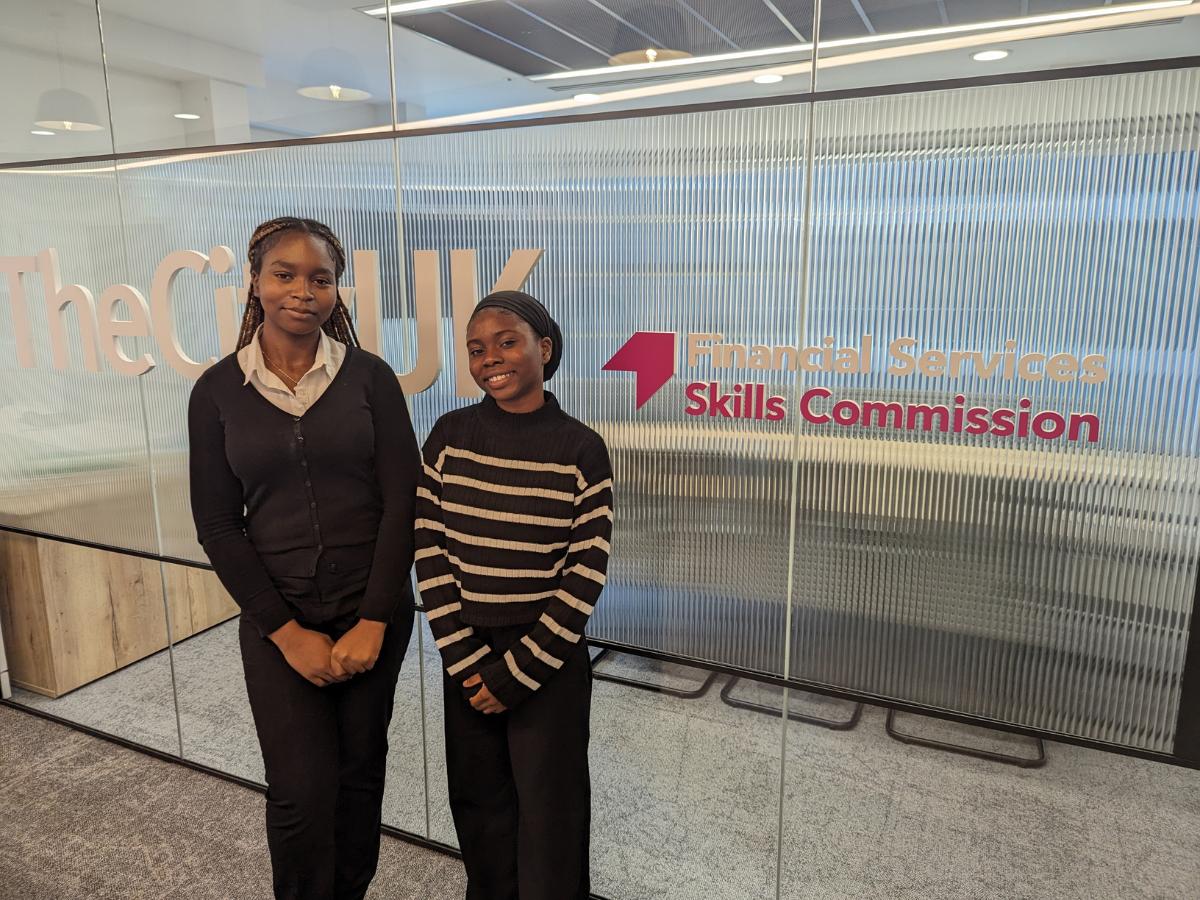
Urban Synergy’s partnership with TheCityUK showed that hands-on work experience helps young people better understand different industries and career options. By taking part in real workplace activities, they gained practical insight, built confidence, and improved communication skills. The experience also broadened their awareness of career paths and helped them make more informed decisions about their future.
If you’re an organisation committed to creating real pathways for young people, we want to work with you.